
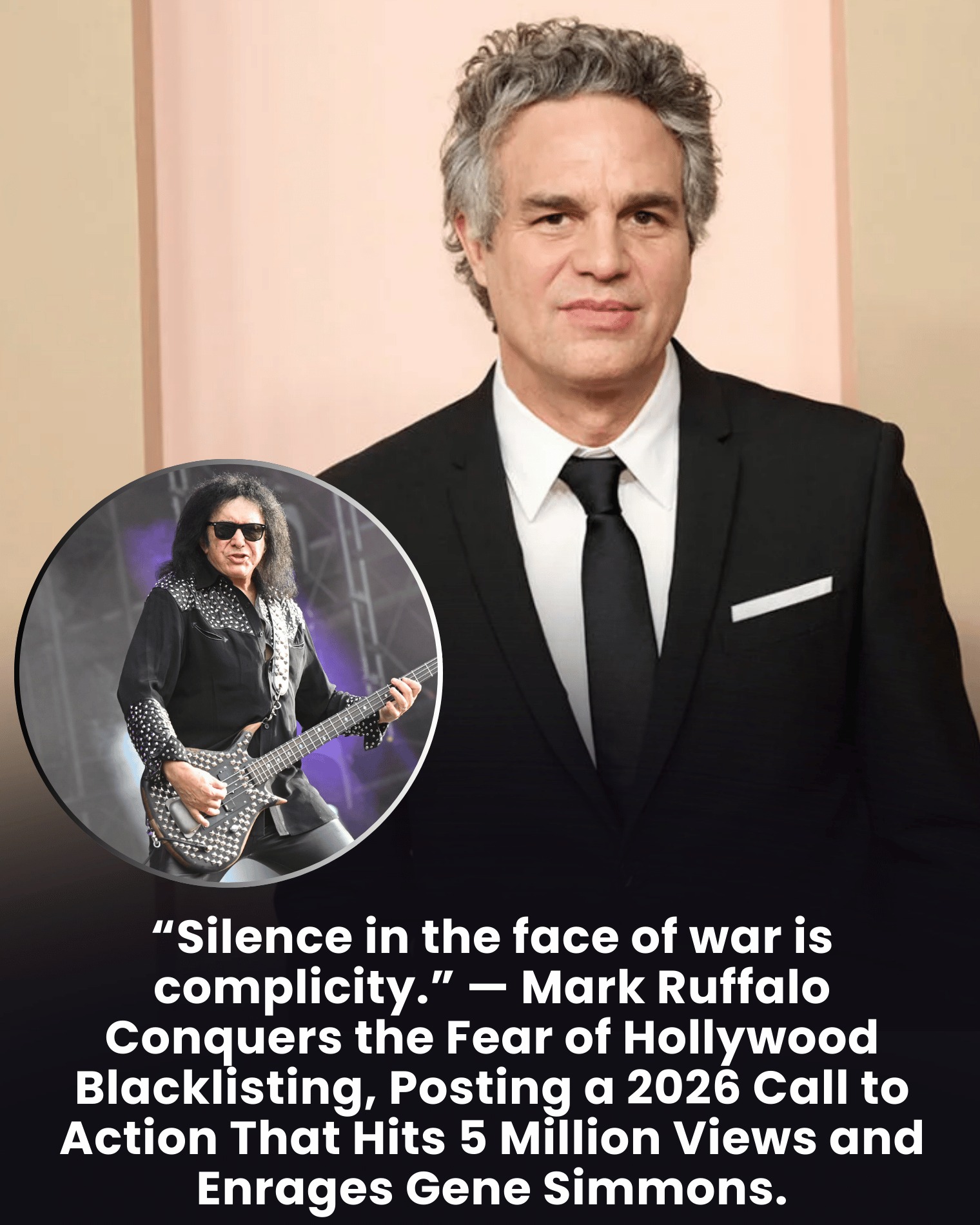
Mark Ruffalo has never been a celebrity who mistakes fame for silence. But when he posted his blunt 2026 message about the airstrikes on Iran, even he understood the storm that would follow. "Silence in the face of war is complicity," he wrote, fully aware that the statement would not simply circulate among supporters. It would provoke outrage, invite personal attacks, and reopen a long-running argument about whether public figures should speak on politics at all.
Within hours, the post exploded. Views surged past 5 million in just six hours, turning Ruffalo's words into one of the day's most talked-about flashpoints online. The speed of the reaction made one thing clear: this was not just another celebrity opinion lost in the daily churn of social media. It had landed with force, cutting straight into the tension between activism, war, and the expectations placed on entertainers to remain palatable, quiet, and useful.
Ruffalo, however, was not entering the moment blindly. He knew the backlash would come from the familiar "shut up and act" crowd, those who believe artists should entertain but never challenge power. For him, that criticism was not new. It echoed a sentiment he remembered from the early 2000s, when outspoken actors were often mocked, marginalized, or warned that activism could cost them careers. The language may have evolved with time, but the message remained the same: stay in your lane, keep your opinions to yourself, and protect your marketability.
That is why Gene Simmons' response felt, to Ruffalo, less like a shocking rebuke and more like a recognizable pattern. When Simmons reportedly called him out by name, the clash instantly became bigger than a disagreement between two public figures. It turned into a symbolic confrontation between two visions of celebrity: one that treats fame as a platform with moral responsibility, and another that sees political speech as a dangerous overreach that alienates audiences.
Ruffalo did not retreat. Instead, he did the opposite. Rather than softening his tone or stepping away from the issue, he continued posting. More importantly, he shifted from outrage to action. He included links urging followers to contact their Senators, using his reach not just to express alarm, but to channel public emotion into political pressure. That move revealed what mattered most to him. This was not about winning a feud or dominating a viral cycle. It was about refusing to let fear, whether fear of blacklisting or losing fans, become an excuse for inaction.
In Ruffalo's view, the greater danger was never the criticism. It was the possibility of a devastating conflict escalating while influential voices chose comfort over conscience. That is what gave his post its force. He was not speaking because it was safe. He was speaking because, in his mind, silence had become the riskier choice.